How Penny and Christian built more than a jiu-jitsu academy in the heart of Maui. A story of discipline, resilience, and a community that goes far beyond the mats.
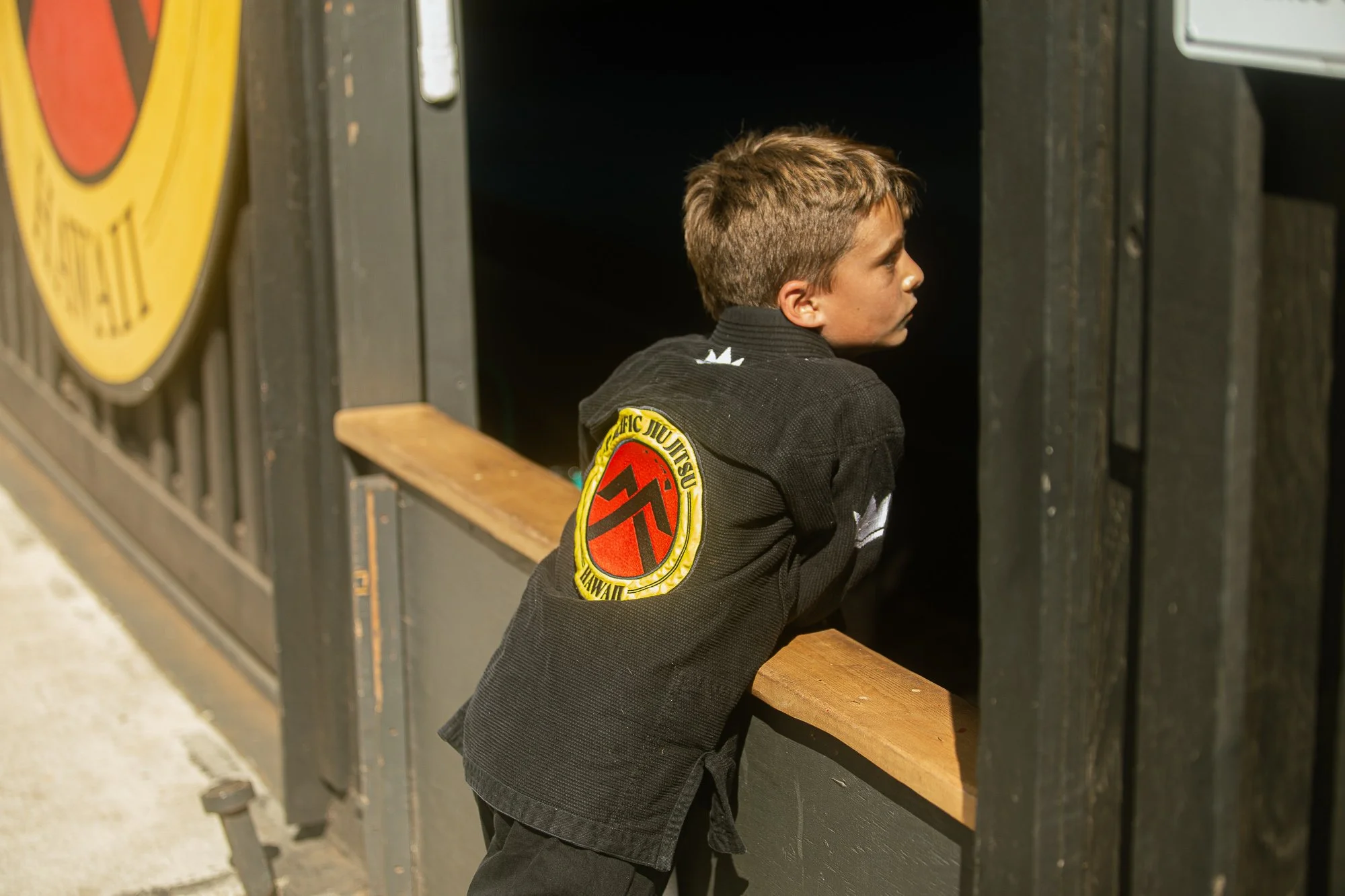
Pacific Jiu Jitsu is more than a training center.
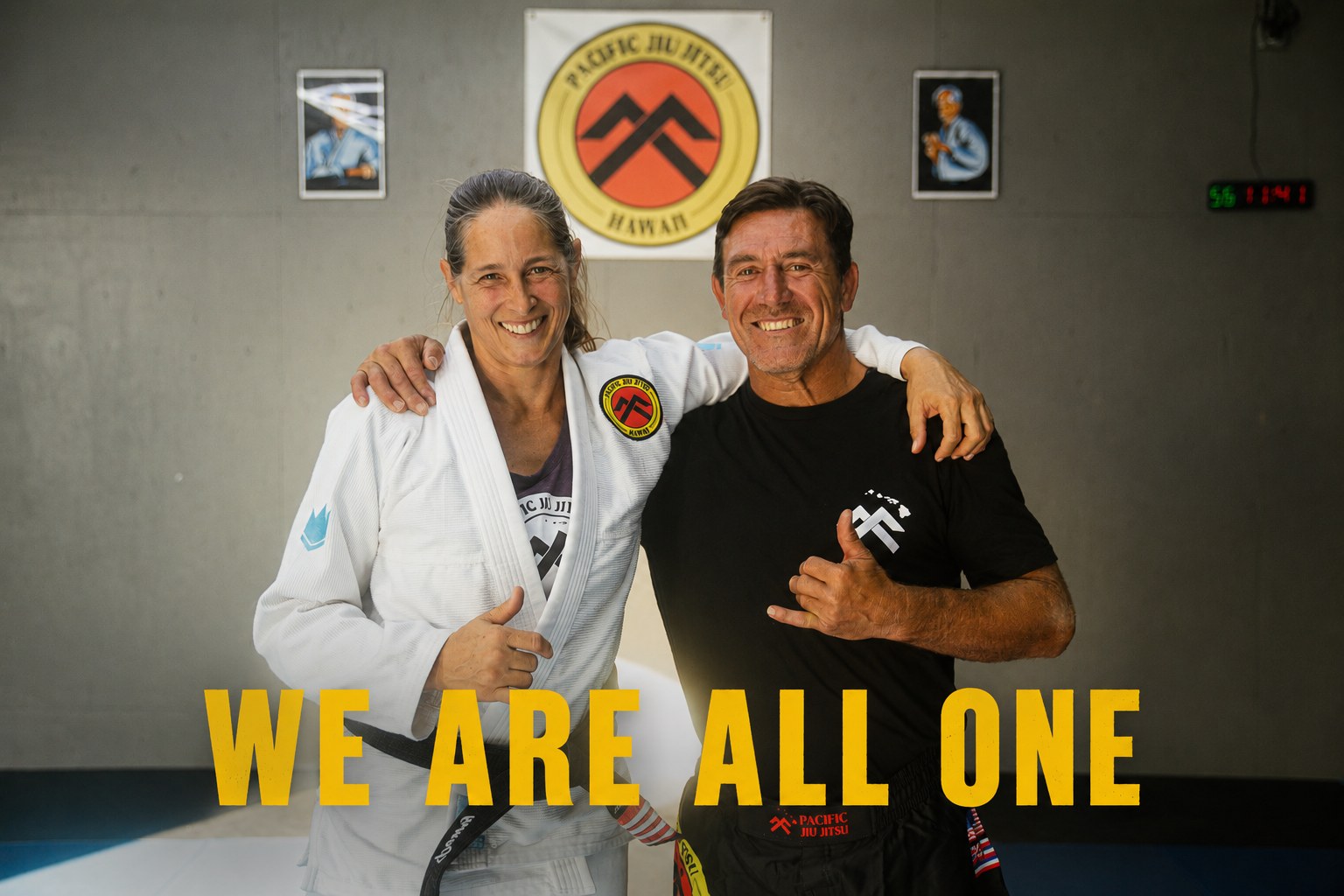
In the heart of Maui’s Upcountry, Penny and Christian have created a place built around movement, discipline, family and belonging.
THE STORY
Pacific Jiu Jitsu began with a simple idea: to create the kind of place Penny and Christian wanted for themselves, somewhere to train, to bring their family, and to feel at home.
But the idea was never simply about opening another jiu jitsu academy. They wanted to build an environment where training could become part of everyday family life, a place where children and adults could learn, where discipline mattered, and where people could feel connected to something larger than a class.
For Penny, that vision was rooted in creating a space that felt safe and welcoming. Somewhere parents could bring their children, families could spend time together, and anyone walking through the door could feel that they belonged.
“I wanted a place, a safe place for you to train, for you to bring your family, where everybody feels welcome.”
- Penny
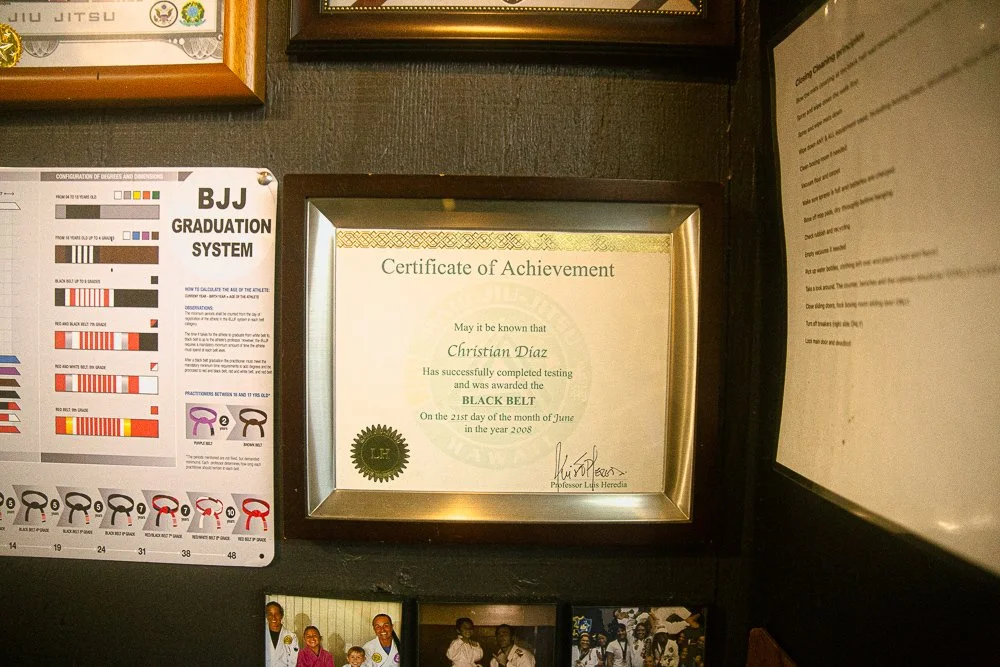
Christian arrived at the same idea through a different path. Years of training, competition and injury gradually changed his relationship with jiu jitsu. What had once been tied to performance, winning and proving himself became increasingly connected to teaching, sharing experience and helping other people grow.
“My purpose in life changed for me a long time ago.”
- Christian
That shift became part of the way Pacific Jiu Jitsu took shape. The academy was built around training, but also around the idea that progress is not only individual. Children learn from adults. Beginners learn from more experienced students. Families become part of the room. The culture grows through repetition, discipline and the willingness to keep showing up for one another.
For Penny and Christian, the mat became a place where those ideas could live together: competition without ego, discipline without intimidation, and structure without losing the sense of family that had been there from the beginning.
Together, those two perspectives became the foundation of Pacific Jiu Jitsu, a place shaped by movement, teaching, family and community.
CHRISTIAN
Finding purpose
beyond competition.
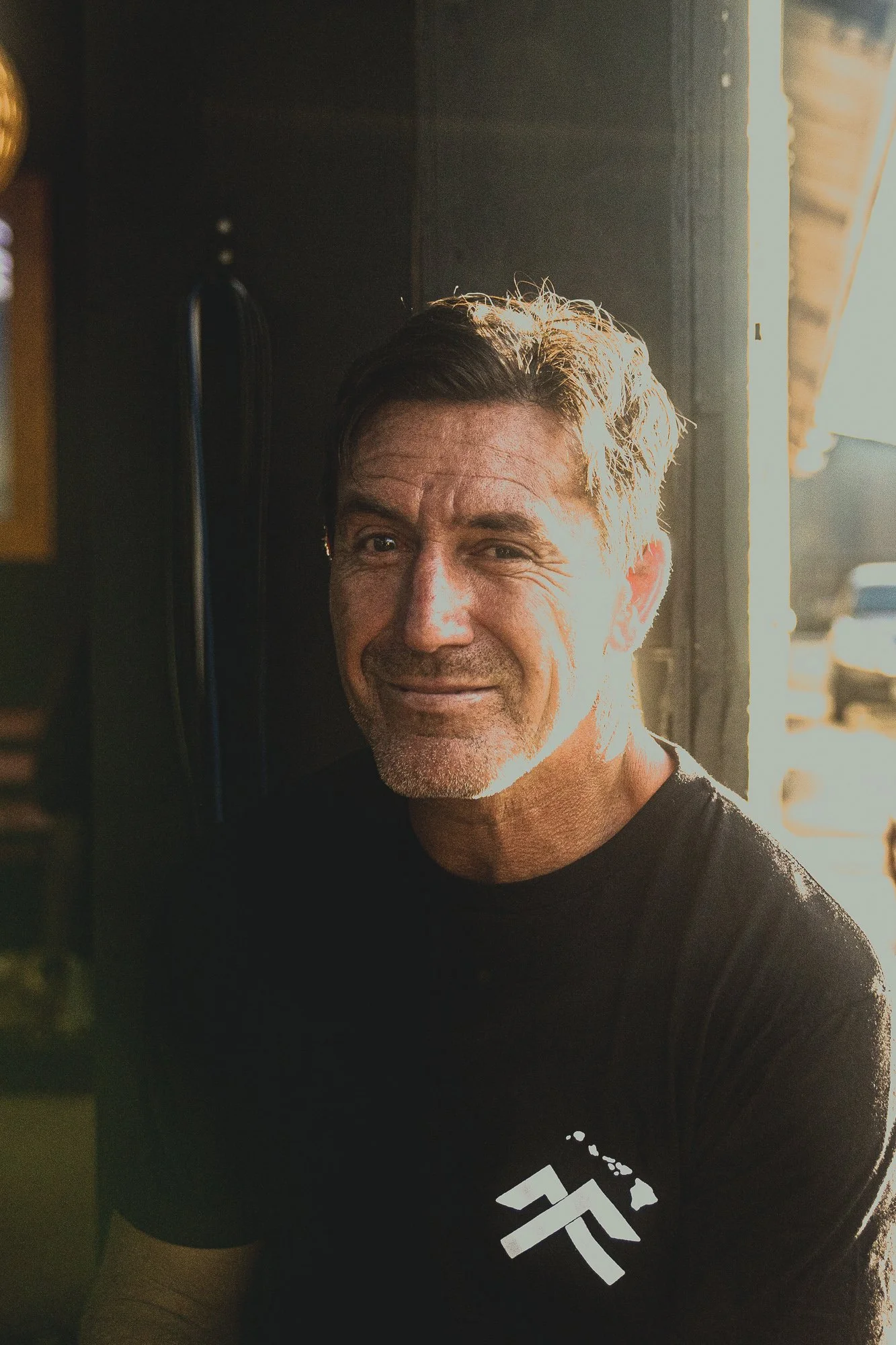
For Christian, jiu jitsu has been a long process of change. Years of training, competition and injury gradually shifted the way he understood both the sport and himself. What had once been driven by performance and the need to prove something slowly became less about winning and more about what he could give to others.
Injuries played an important role in that transformation. They forced him to reconsider not only how he trained, but why he trained. As the pressure to compete and be the best began to disappear, another purpose started to take its place: teaching, sharing what he had learned, and helping other people find their own path through jiu jitsu.
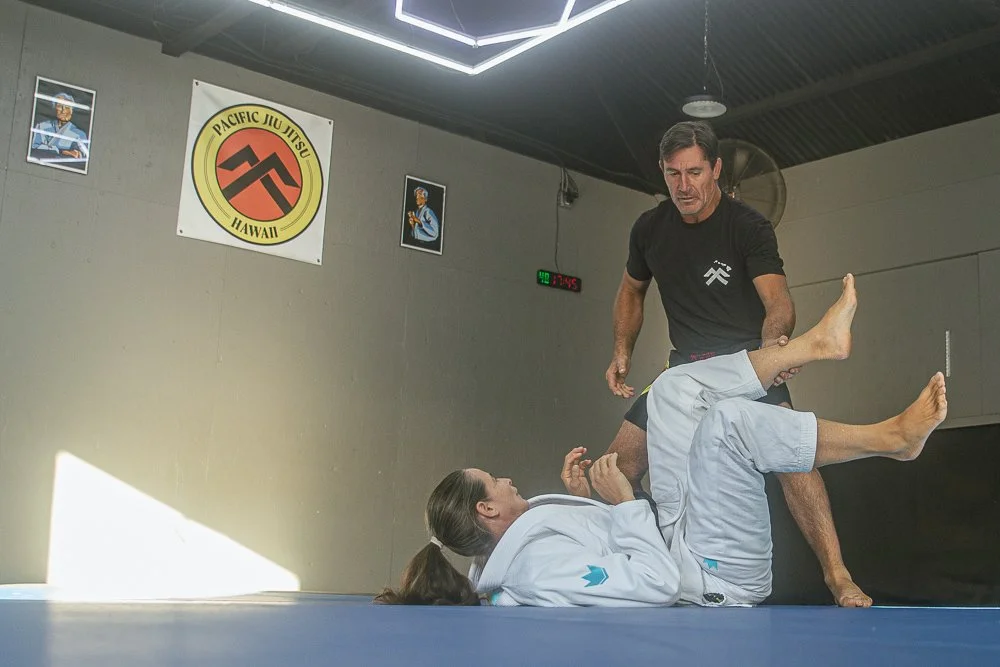
That perspective is now part of what Christian brings to Pacific every day. The experience still matters, and so does the discipline, but the goal is no longer simply personal achievement. It is about creating an environment where others can learn, develop confidence, face challenges and continue growing, both on and off the mat.
PENNY
Building a place
where people belong.
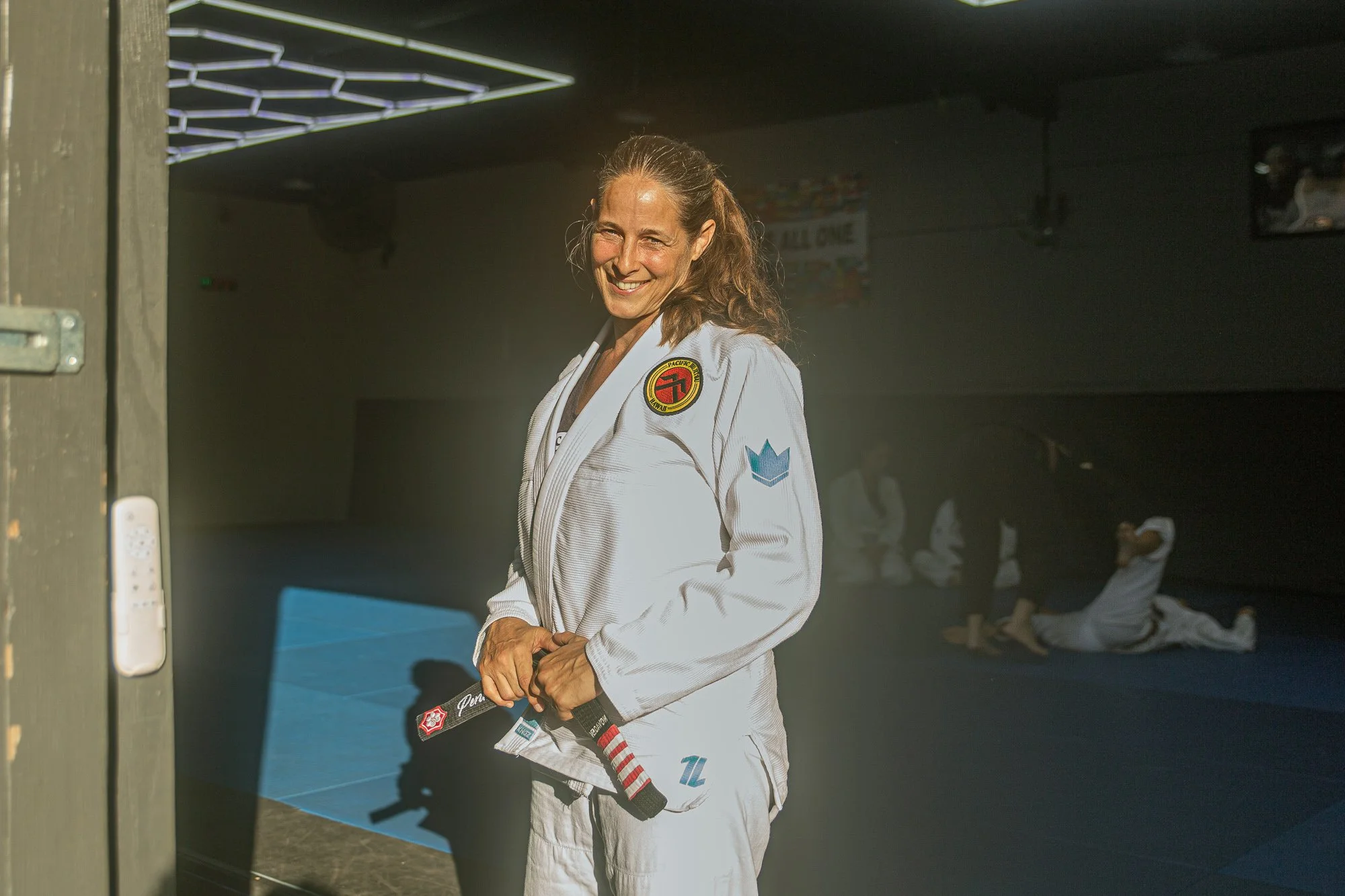
For Penny, Pacific Jiu Jitsu began with a clear idea of what a training space could be. She wanted more than a room where people came to practice and then went home. She wanted a place where training, family and community could exist together, and where people of different ages and backgrounds could feel comfortable walking through the door.
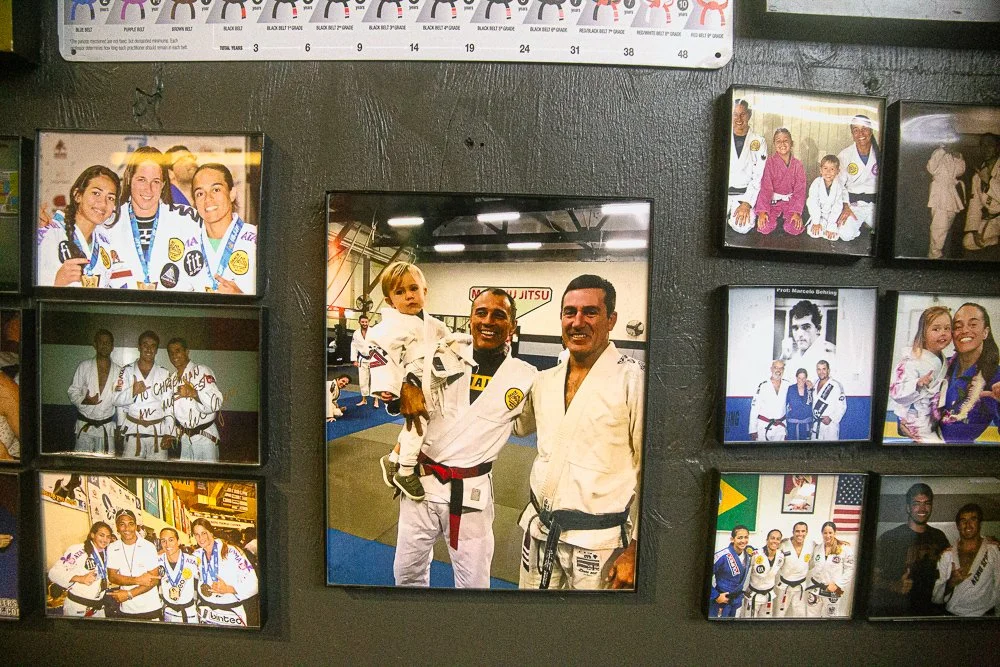
Her experience in jiu jitsu shaped that vision. Years spent training and traveling taught her the value of discipline and commitment, but also the importance of the environment surrounding the practice. For children especially, what happens on the mat can reach far beyond technique. Confidence, responsibility, respect and the ability to work through difficult moments can become part of everyday life.
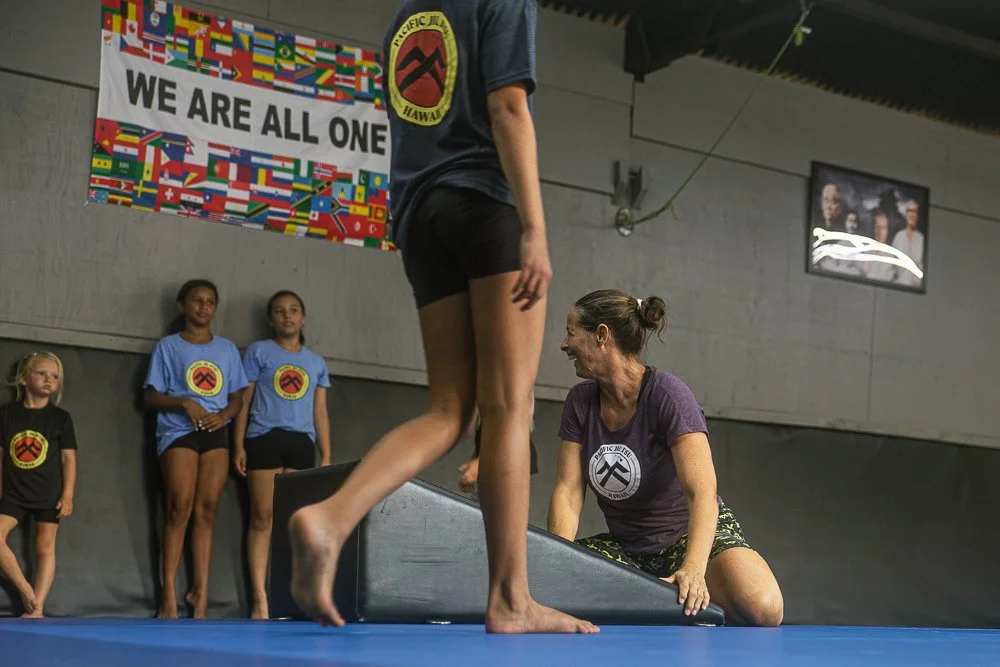
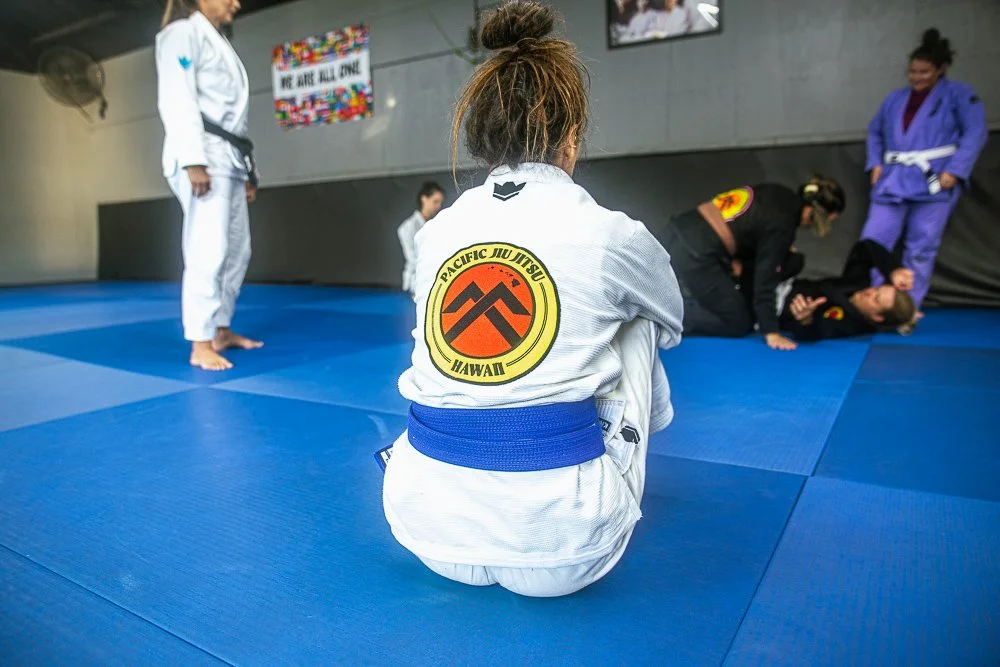
That philosophy is visible throughout Pacific. Kids learn to listen and support one another. Parents become part of the community. Women have a place to train and teach. The academy becomes somewhere people return to, grow together and feel that they belong.
THE COMMUNITY
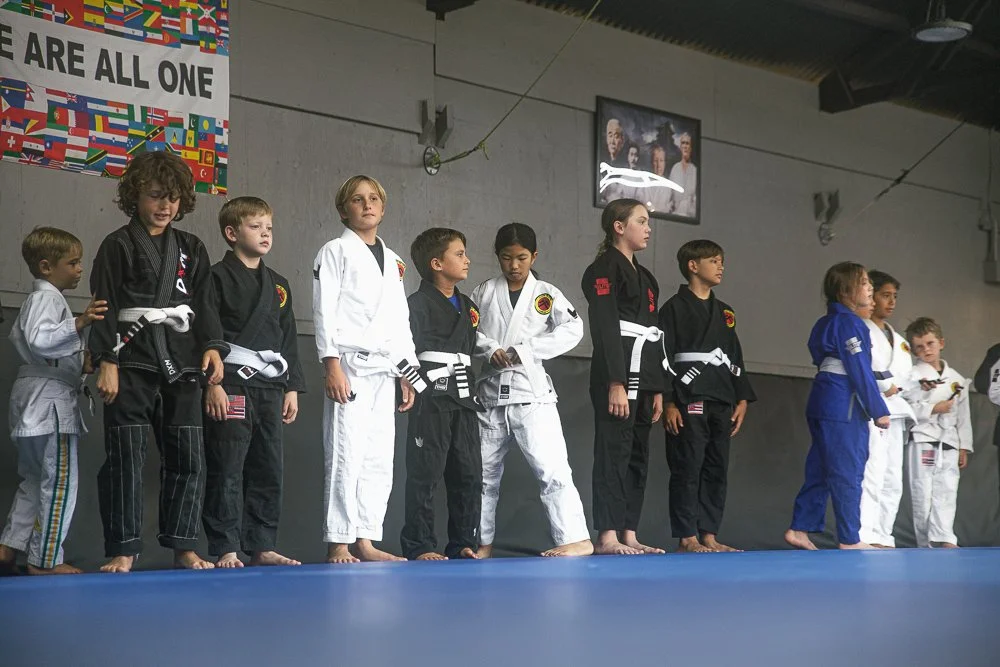
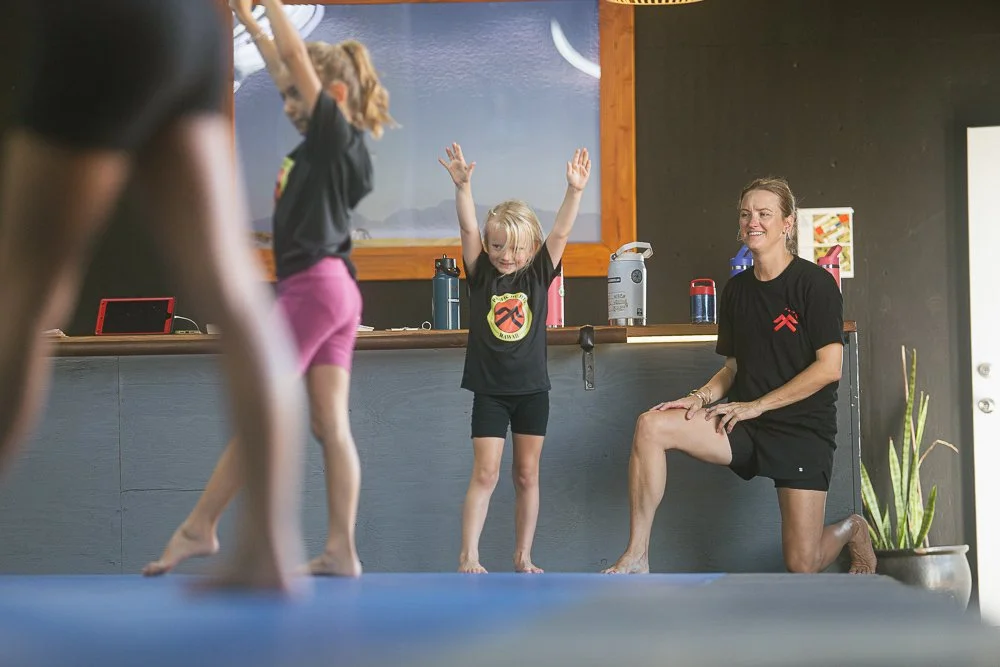
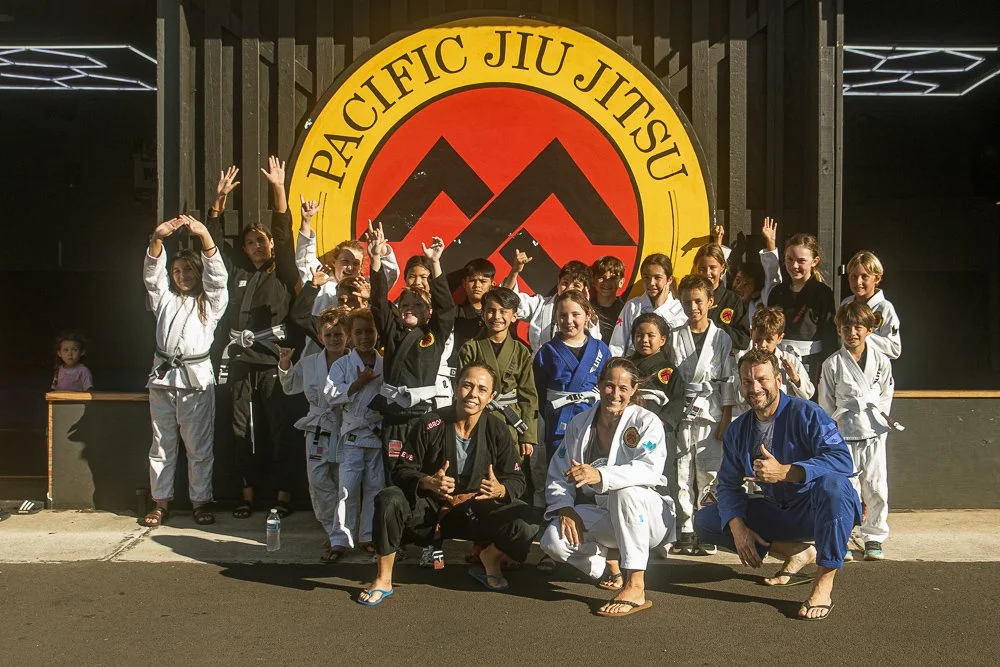
What began as an idea between two people has grown into something much larger. Today, Pacific Jiu Jitsu brings together children, parents and adults from across Maui, each arriving with different experiences, abilities and reasons for being there.
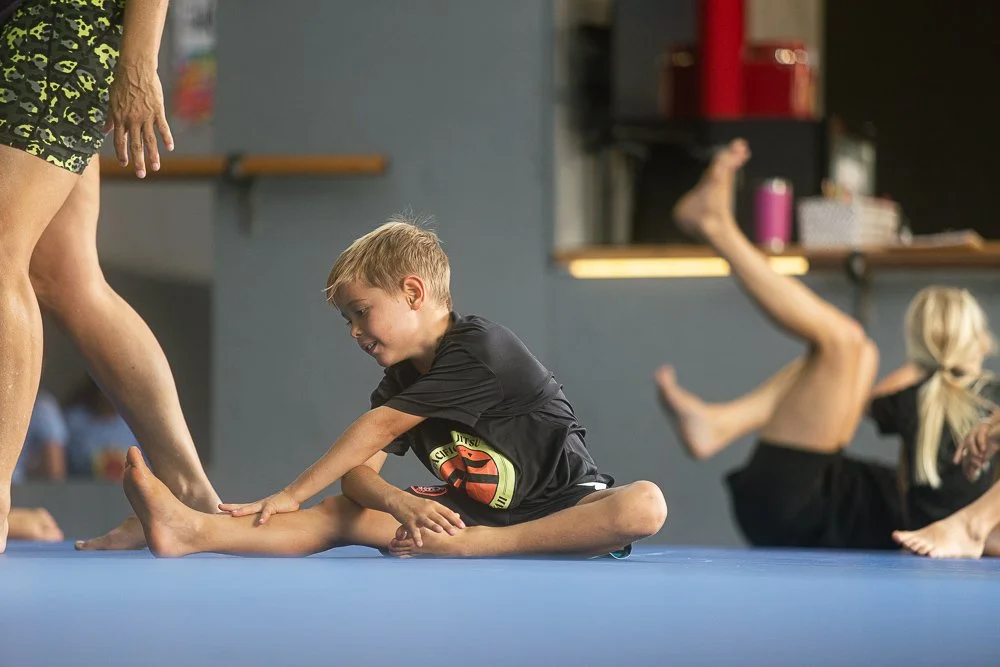
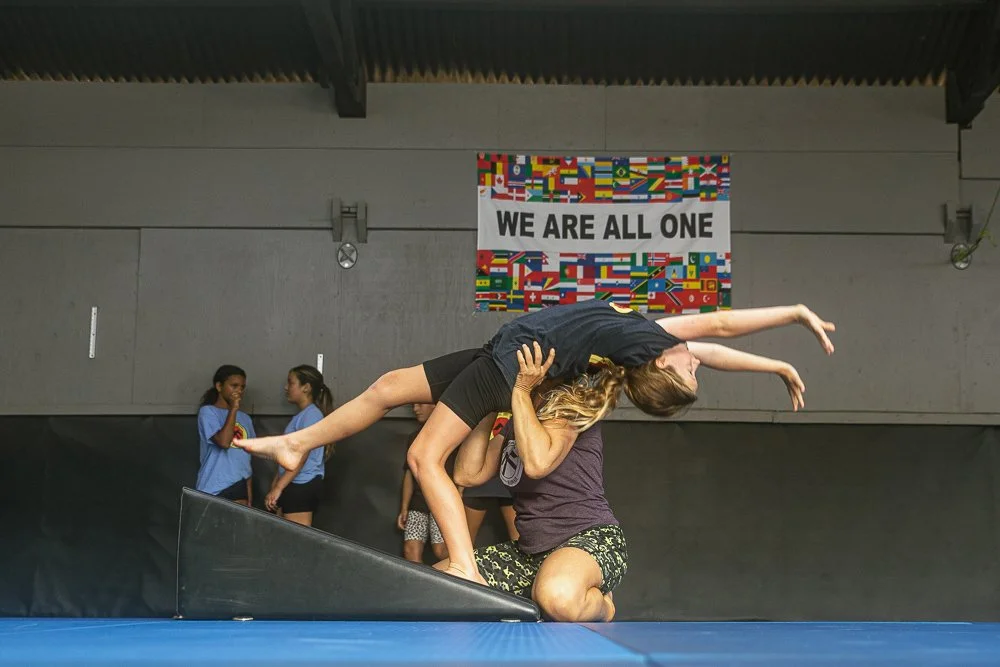
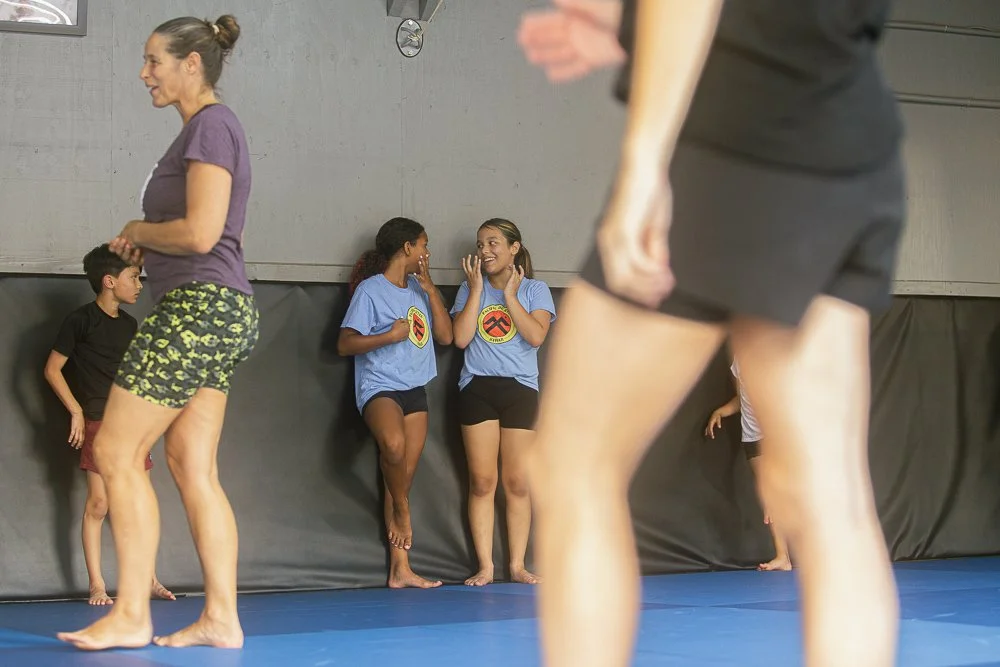
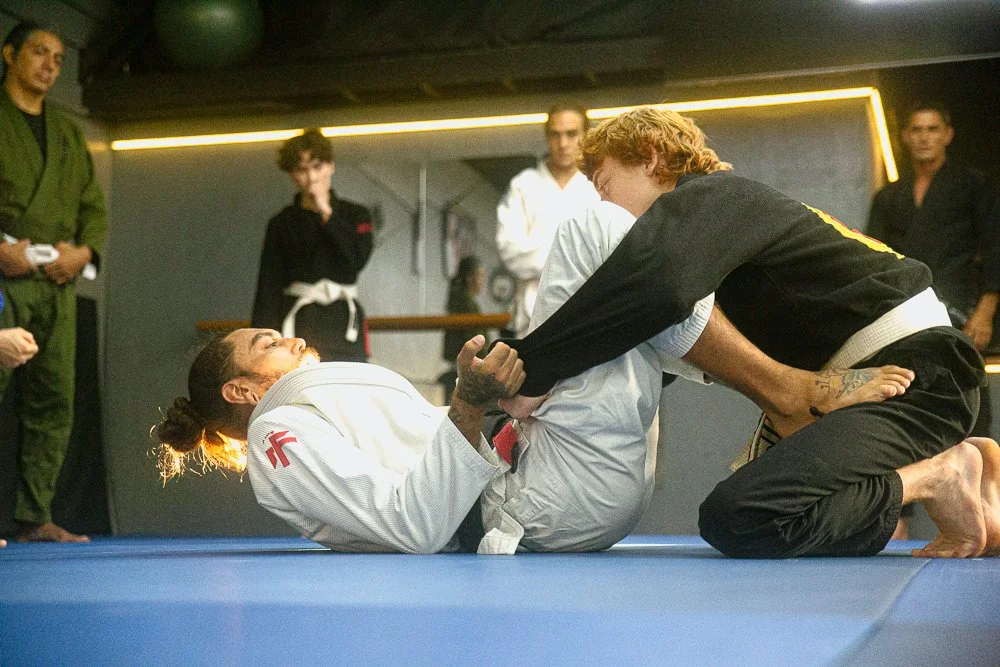
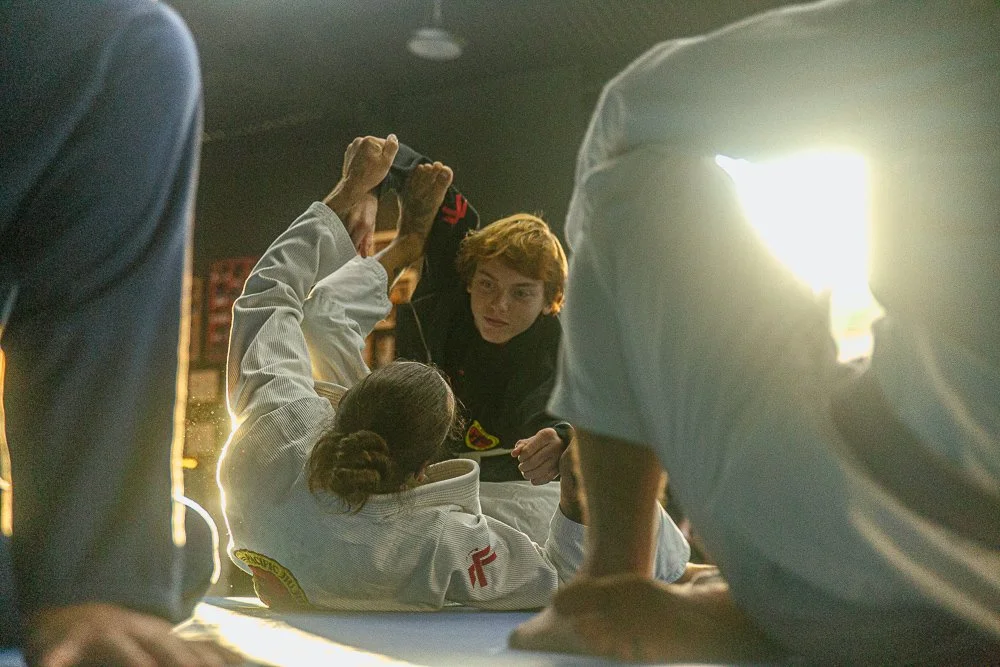
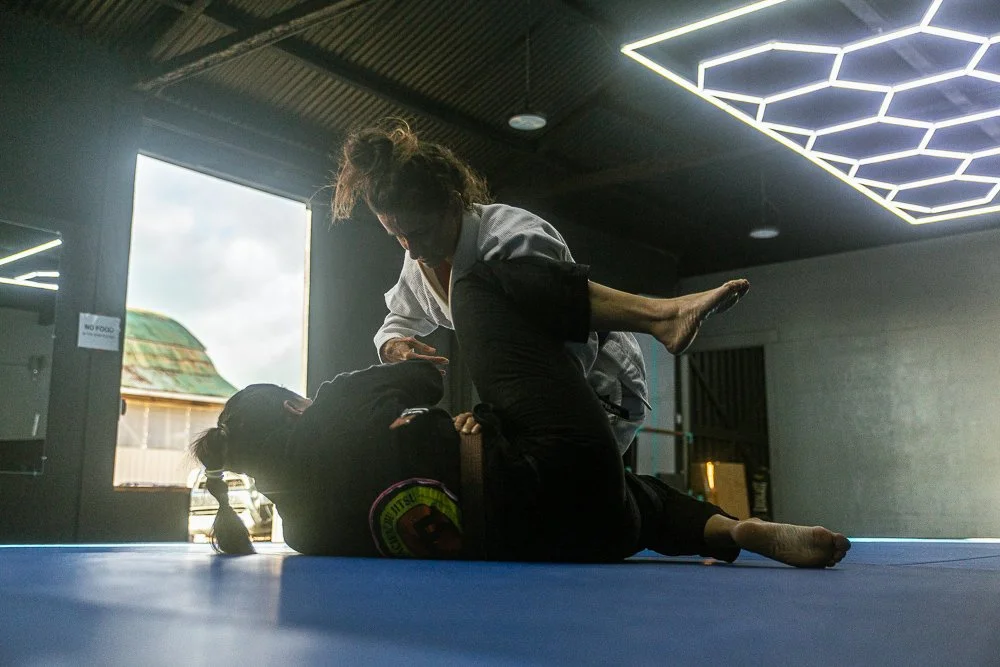
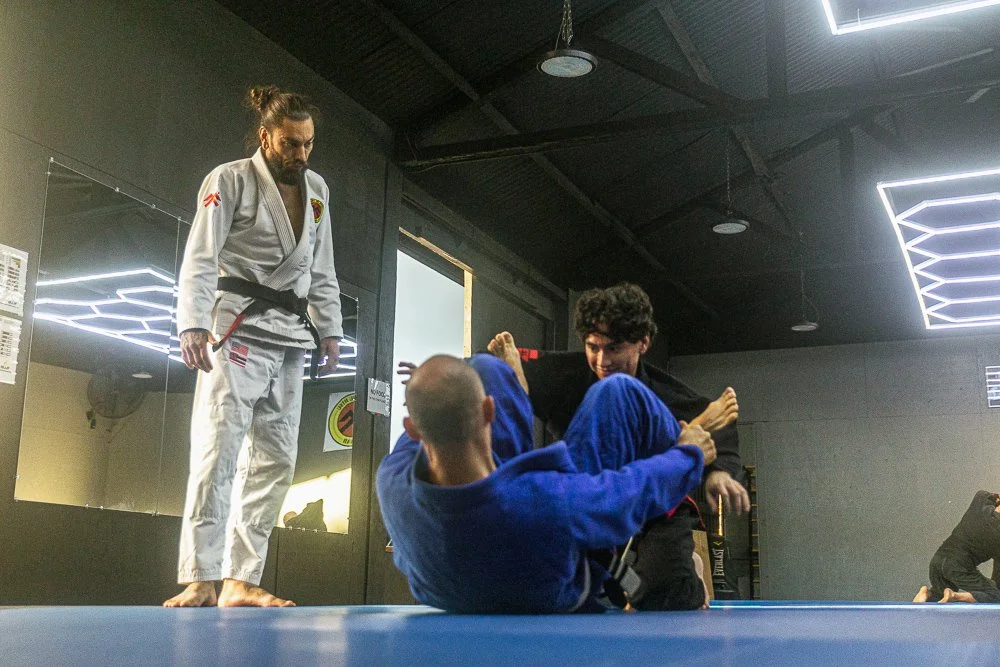
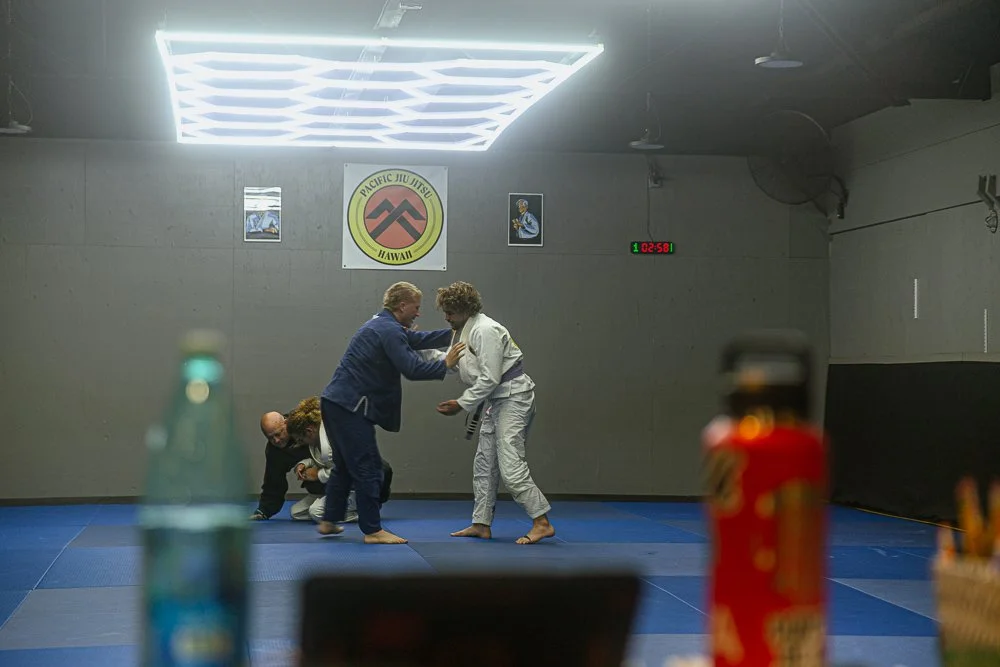
On the mats, those differences begin to disappear. Kids train alongside other kids of different ages and levels. Adults come to learn, to challenge themselves and to stay connected. Parents watch their children grow while often becoming part of the community themselves.
For Penny and Christian, that sense of belonging is not separate from the training. It is part of it. Learning jiu jitsu means learning how to listen, how to work with someone else, how to face difficulty and how to keep showing up.
For the kids, those lessons can become confidence and discipline. They learn that progress takes time, that mistakes are part of learning and that the person across from them is not simply an opponent, but also someone helping them improve.
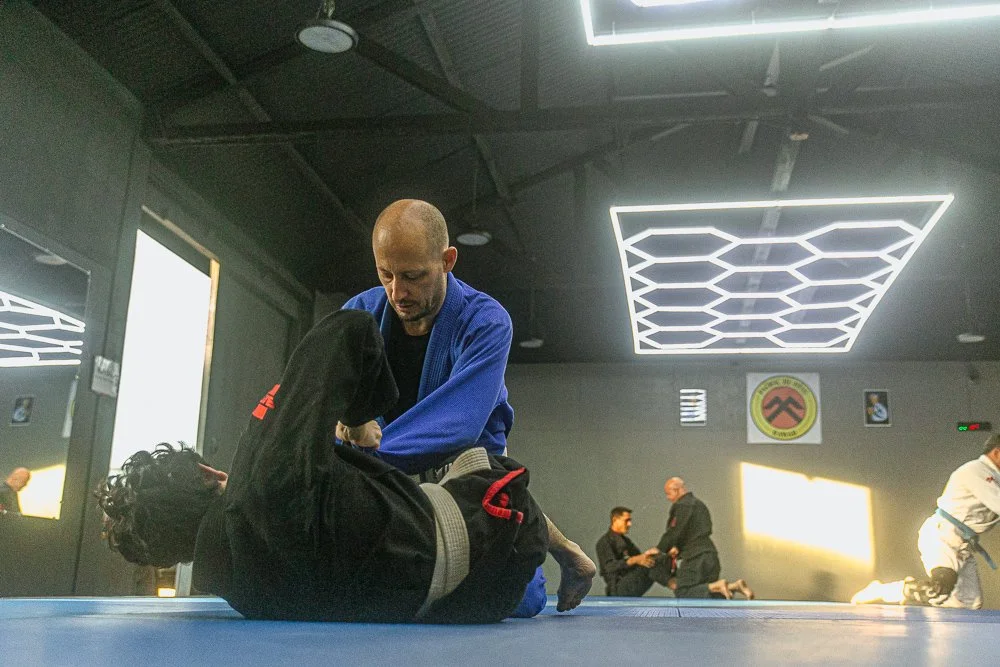
The same idea extends beyond the children. Different generations share the same room, the same mats and many of the same challenges. Experience is passed forward, people help one another, and individual progress becomes something shared.
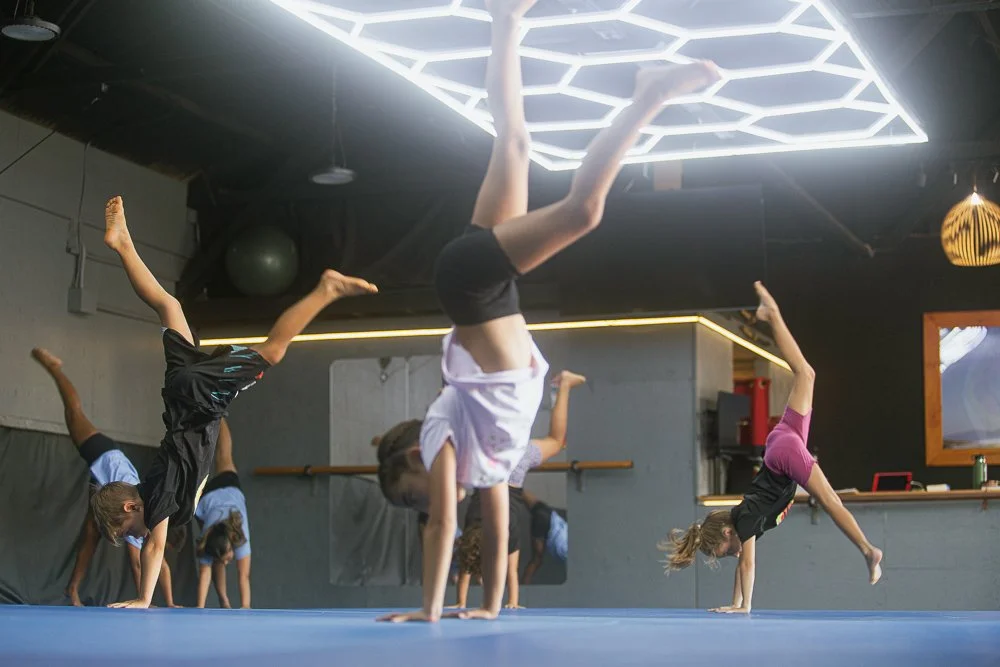
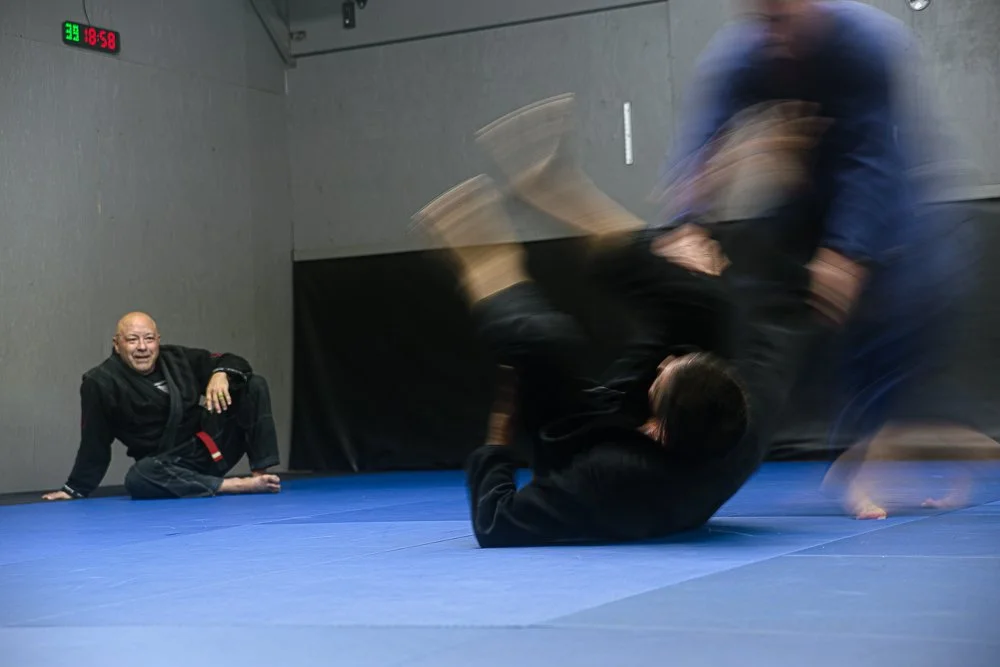
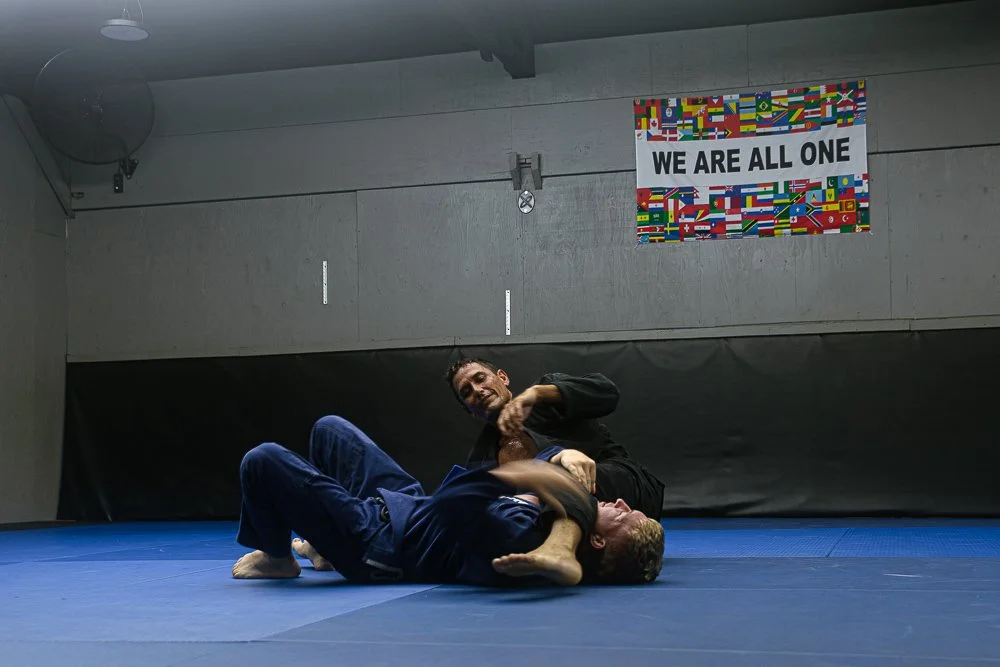
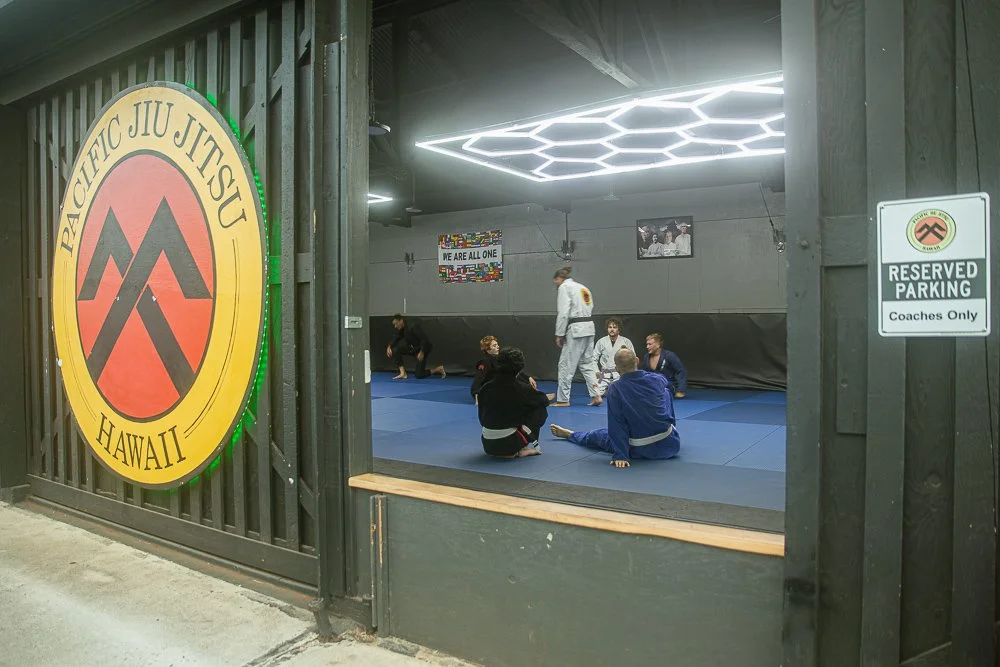
Pacific changes from class to class. Some days the room is filled with kids. Other days it is adults training, women learning together, boxing, gymnastics or families simply spending time in the same place. But underneath all of it is the same idea: everyone has something to learn, and everyone has something to give.
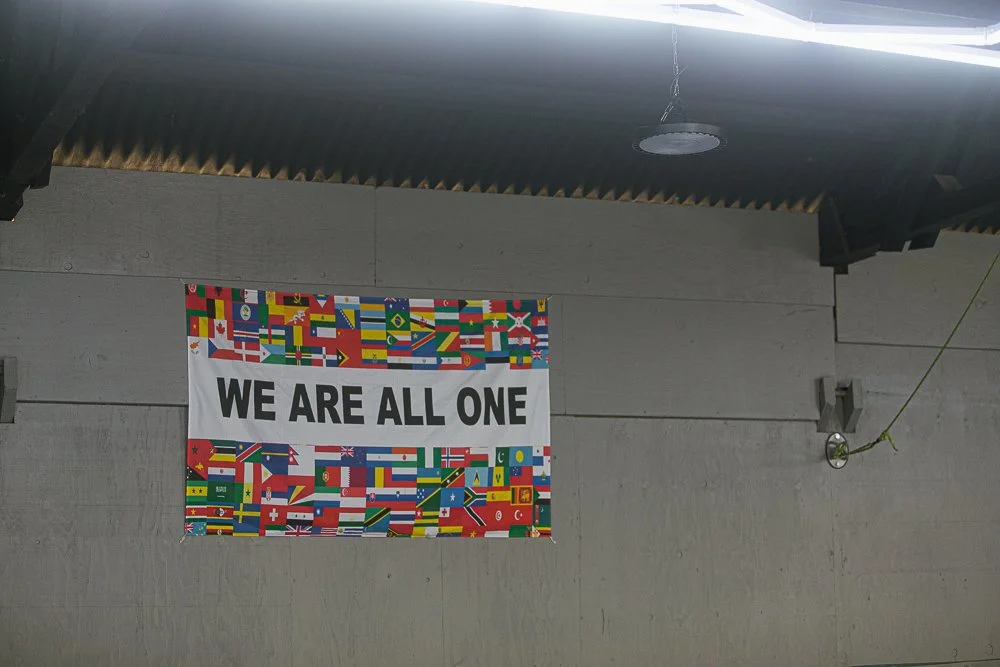
“We build people. We build community. We are all one.”
THE LOGO
As Pacific Jiu Jitsu began to take shape, the academy needed an identity that could represent more than a place to train. It needed to carry something of Penny and Christian’s philosophy, their connection to Maui, and the community they hoped to build around it.
The process began with a symbol they brought to the project themselves. Its meaning already resonated with them, giving the identity a starting point that was personal rather than purely graphic.
Instead of creating something disconnected from that idea, the challenge became understanding what was already there and developing a visual language around it. That symbol became the foundation for the Pacific Jiu Jitsu identity used today.
• Brand identity and creative direction by Rick Brayner